
The Role of Sport Psychology in Athlete Recovery and Rehabilitation


The Importance of Sport Psychology in Recovery
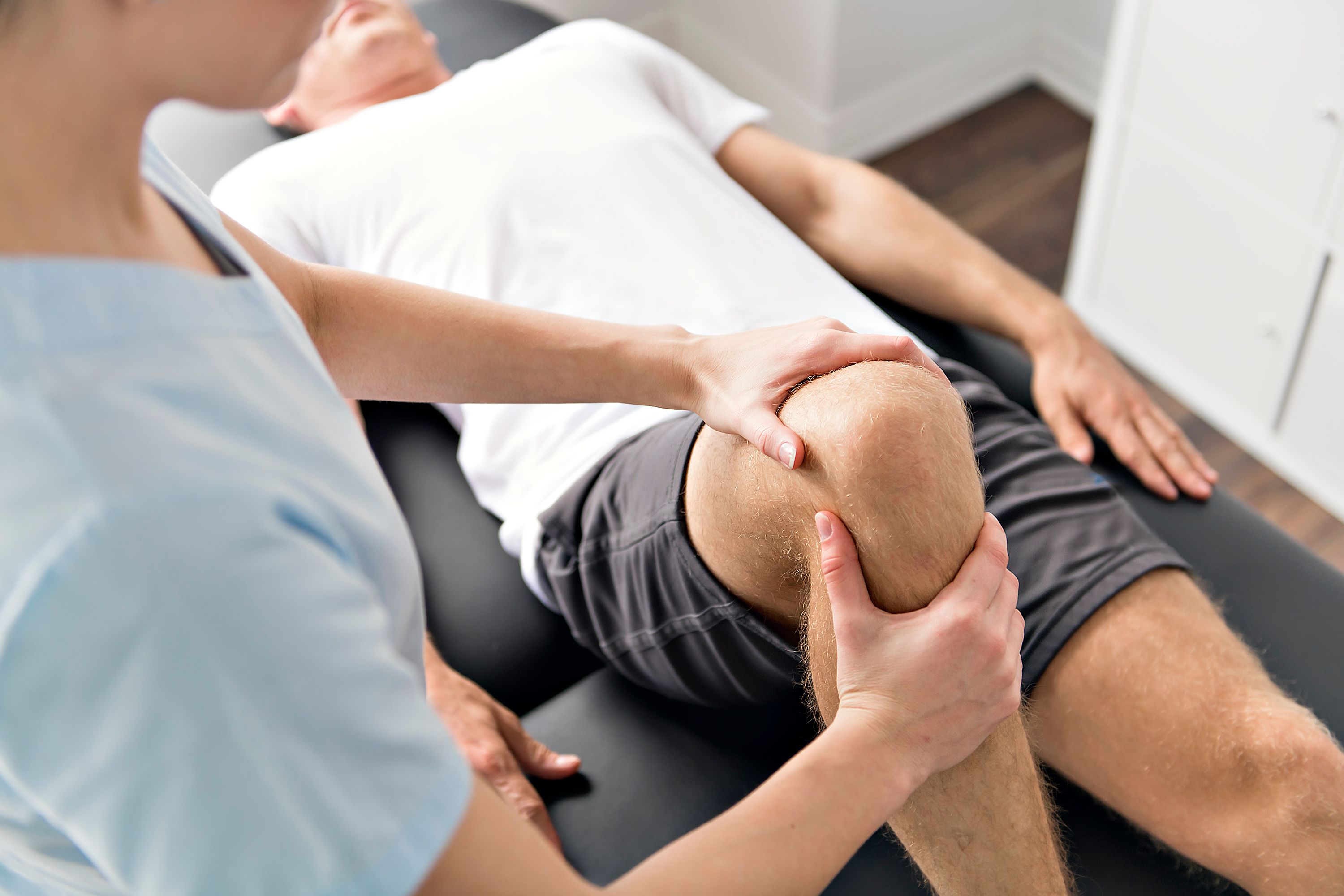
When an athlete faces injury, the physical aspect of recovery is often the primary focus. However, the mental and emotional components are just as crucial. Sport psychology plays a vital role in helping athletes cope with the challenges of recovery, ensuring a well-rounded rehabilitation process.
Understanding the Psychological Impact of Injuries
Injuries can lead to a myriad of emotions, from frustration and anxiety to depression. Athletes may feel isolated or fear losing their identity, which is closely tied to their sport. Addressing these feelings is essential for a successful recovery journey.
Techniques Used in Sport Psychology
Sport psychologists employ various techniques to aid recovery, such as:
- Visualization: Encouraging athletes to mentally rehearse their sport to maintain a connection with their skills.
- Goal Setting: Establishing realistic, incremental goals to foster motivation and track progress.
- Stress Management: Teaching relaxation techniques to manage anxiety and enhance mental resilience.

Building Resilience and Confidence
One of the key roles of sport psychology is to help athletes build resilience and regain confidence. Overcoming self-doubt and fear of re-injury is crucial for a successful return to sport. Through tailored psychological interventions, athletes can develop a positive mindset and trust in their recovery process.
The Role of Communication
Effective communication between the athlete, coaches, and medical team is essential. Sport psychologists often serve as a bridge, facilitating understanding and ensuring that the athlete’s psychological needs are met alongside physical recovery efforts.
Long-Term Benefits of Sport Psychology
Incorporating sport psychology into recovery not only aids in immediate rehabilitation but also offers long-term benefits. Athletes learn valuable mental skills that enhance overall performance, stress management, and life satisfaction beyond sports.
Conclusion: A Holistic Approach
Integrating sport psychology into athlete recovery and rehabilitation provides a holistic approach that addresses both mental and physical health. By focusing on the psychological aspects, athletes are better equipped to overcome challenges and return to their sport stronger than ever.