
The Science Behind Visualization Techniques in Sports


Understanding Visualization Techniques
Visualization, often referred to as mental imagery or mental rehearsal, is a powerful tool used by athletes to enhance performance. It involves creating vivid mental images of a desired outcome, allowing the athlete to mentally practice their sport without physical activity. This technique taps into the brain's ability to simulate actions, which can significantly impact performance on the field.
By visualizing successful execution, athletes can improve focus, reduce anxiety, and boost confidence. This mental practice is not just about imagining success; it's about engaging all the senses to create a realistic experience. Athletes often visualize the sights, sounds, and even the emotions associated with their sport to prepare for optimal performance.

The Psychological Benefits of Visualization
One of the most significant advantages of visualization is its ability to reduce performance anxiety. By mentally rehearsing their performance, athletes can familiarize themselves with the pressures of competition, reducing nervousness and stress. This mental preparation can lead to improved concentration and a calm, focused mindset.
Moreover, visualization helps in building self-confidence. When athletes repeatedly see themselves succeeding in their mind, their belief in their capabilities strengthens. This positive reinforcement can be crucial in high-pressure situations where confidence is key to success.

Neurological Basis of Visualization
From a neurological perspective, visualization activates the brain's motor cortex, the same area that controls physical movement. Studies have shown that when athletes visualize themselves performing a skill, their brain sends signals to their muscles, strengthening the neural pathways involved in actual execution. This process is akin to physical practice, enhancing muscle memory and skill proficiency.
Brain imaging studies have demonstrated that visualization can increase brain activity in regions responsible for motor control and coordination. This increased activity can translate into improved physical performance, as the brain becomes better equipped to execute complex movements.
Applying Visualization in Training
Incorporating visualization into training routines can be highly beneficial. Athletes should set aside dedicated time to practice visualization, ideally in a quiet environment where they can focus without distractions. It's essential to visualize the entire process, from the moment of preparation to the execution and the achievement of the goal.
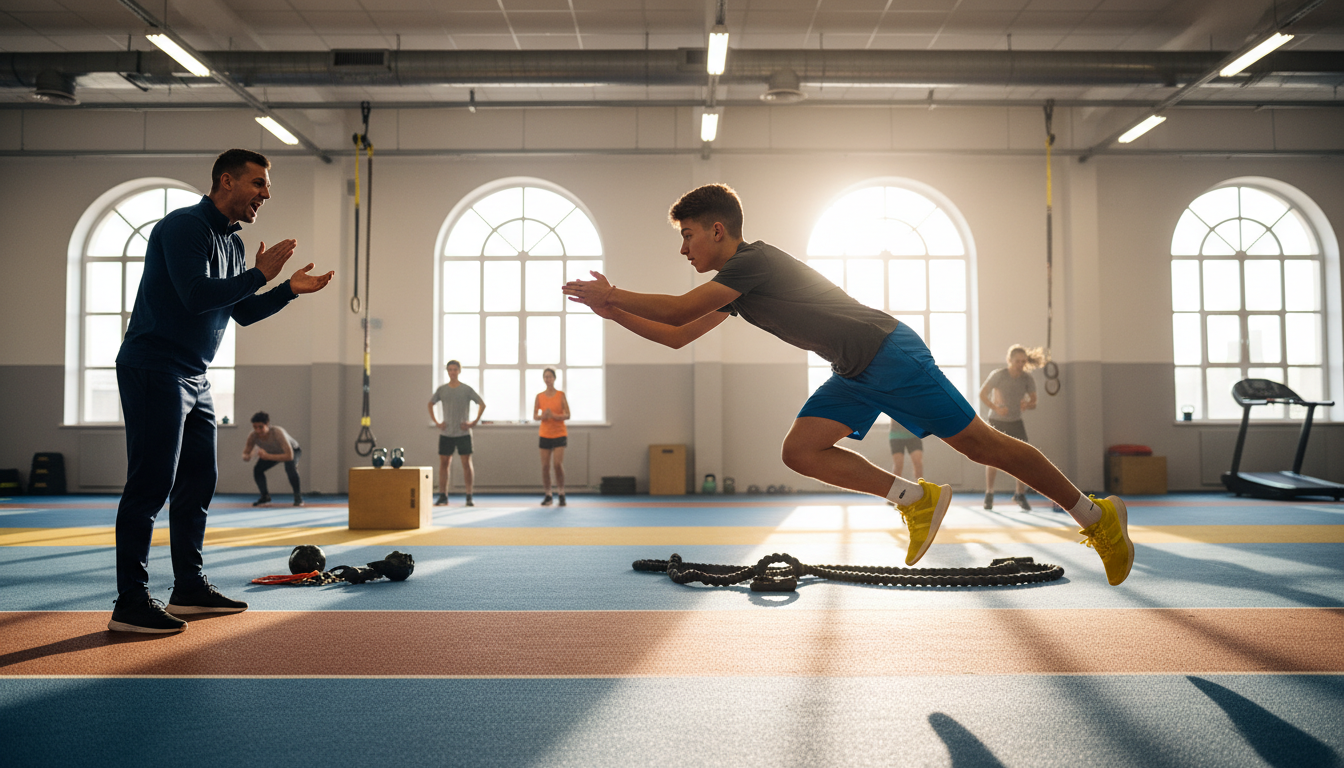
Coaches and sports psychologists often guide athletes through visualization exercises, helping them refine their technique and focus on specific areas that need improvement. This targeted approach ensures that athletes are mentally prepared for various scenarios they may encounter during competition.
Practical Tips for Effective Visualization
Here are some practical tips to maximize the benefits of visualization:
- Consistency: Practice visualization regularly to reinforce mental imagery.
- Detail: Include as much detail as possible to create a realistic experience.
- Positivity: Focus on positive outcomes and successful execution.
- Multi-sensory Approach: Engage all senses for a comprehensive mental rehearsal.
In conclusion, visualization is a scientifically-backed technique that offers numerous benefits for athletes. By understanding and applying the principles of mental imagery, athletes can enhance their performance, build confidence, and gain a competitive edge. Whether you're a professional athlete or a weekend warrior, incorporating visualization into your training regimen could be the key to unlocking your full potential.